Financing · 9 min read
Financing a Custom Home or Major Renovation in Ontario
Published January 2026 · by TAV Enterprises Corporation
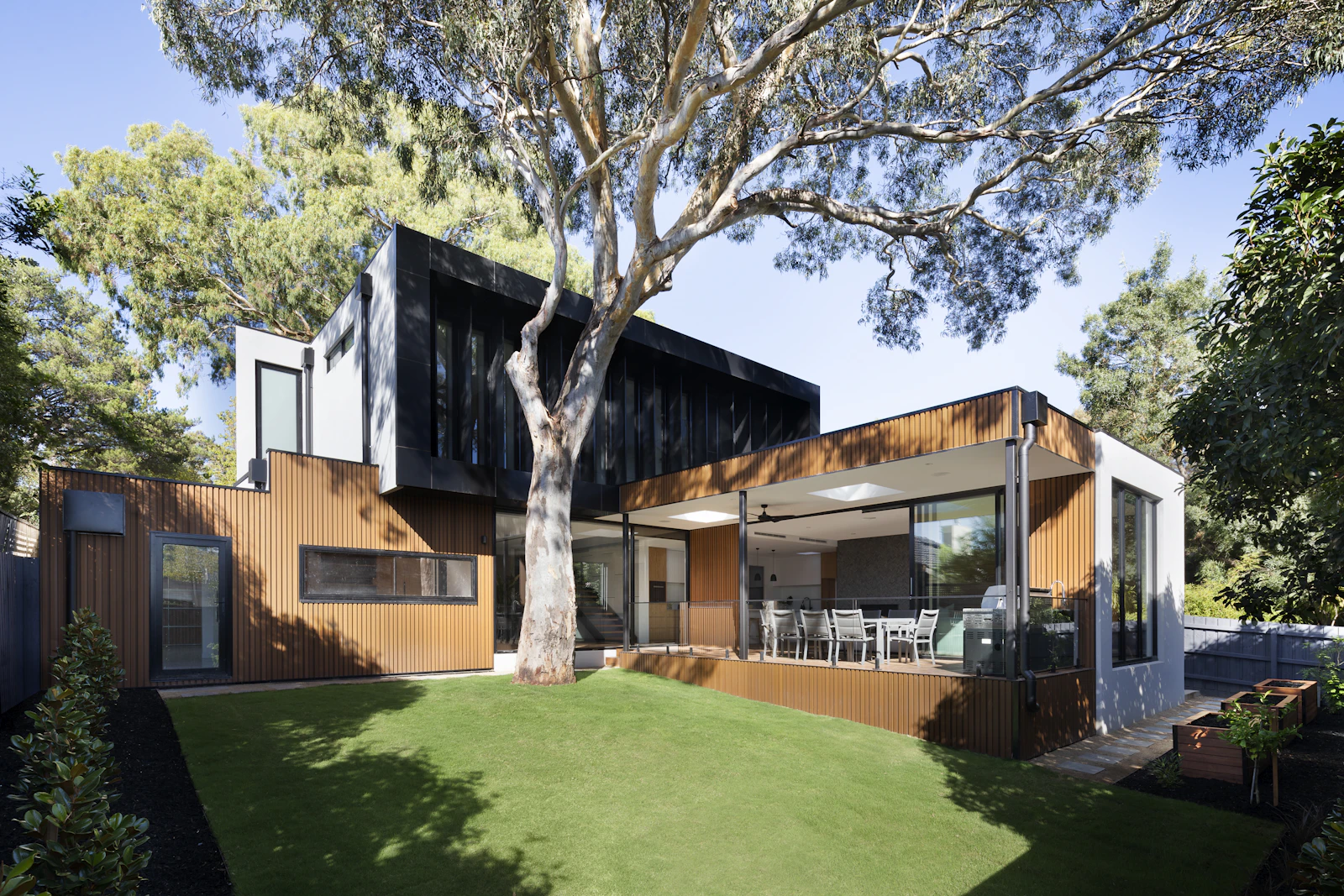
How you finance a custom home or major renovation often determines what is actually possible. Financing influences timing, reserves, change-order flexibility, and even design decisions. Here is a practical look at the options most of our clients use — and the mistakes that tend to cost them money.
Option 1: Construction-Draw Mortgage
The most common way to finance a ground-up custom home. The lender commits to a total loan amount, and funds are released in stages (typically 4–6 draws) as the project reaches verified completion milestones. Interest is charged only on the drawn amount, which helps manage cash flow during the build.
Key considerations: Appraisals are typically required before every draw. Your builder must be comfortable with the draw structure. Timelines matter — lenders have conditions around completion dates.
Option 2: Refinance & Lump Sum
Homeowners with significant equity often refinance their existing mortgage, pulling out a lump sum to fund a renovation. This is usually simpler and cheaper than a construction-draw product for projects that do not require staged funding.
Option 3: Home Equity Line of Credit (HELOC)
For smaller renovations or to bridge the gap between a refinance and construction costs, a HELOC offers flexibility — you draw only what you need, when you need it. Rates are typically variable and higher than a traditional mortgage, so HELOCs are better suited to shorter-term financing.
Option 4: Combination Financing
Many clients combine approaches — a refinanced first mortgage funds most of the project, with a HELOC in place for contingencies and change orders. Done right, this gives you flexibility without the cost of over-borrowing.
Why the rate matters more than people think
Over a seven-figure renovation or build, small differences in interest rate compound meaningfully. A quarter-point difference on a $1.5M construction loan can mean tens of thousands over the draw period. It is worth the time to actually compare, rather than defaulting to your current bank.
Common financing mistakes to avoid
- Arranging financing after design is locked. Financing realities should shape scope — not the other way around.
- Under-sizing the contingency. We recommend 10–15% held back for renovations, especially in older homes.
- Using a single-lender comparison. Default rates at your primary bank are often not competitive for construction products.
- Ignoring draw timing. A mismatch between builder draw schedules and lender disbursements can create expensive cash flow gaps.
Our advice
Arrange financing before design is complete. Lock in your lender of choice, confirm the draw structure, and share those details with your builder so everyone is working against the same cash flow plan. That alignment — more than any individual product choice — is what makes custom builds run smoothly.